
- The annual base salary (while in Australia) is $105,861 per annum.
- Base salary + additional allowances when in Antarctica starts from $178,797 per annum.
- A generous employer superannuation contribution of up to 15.4% will be paid in addition to salary and allowances.
- You will accrue recreation leave at the equivalent of 20 days per annum pro rata. Please note that recreation leave is not available in Antarctica but will be paid out on return to Australia.
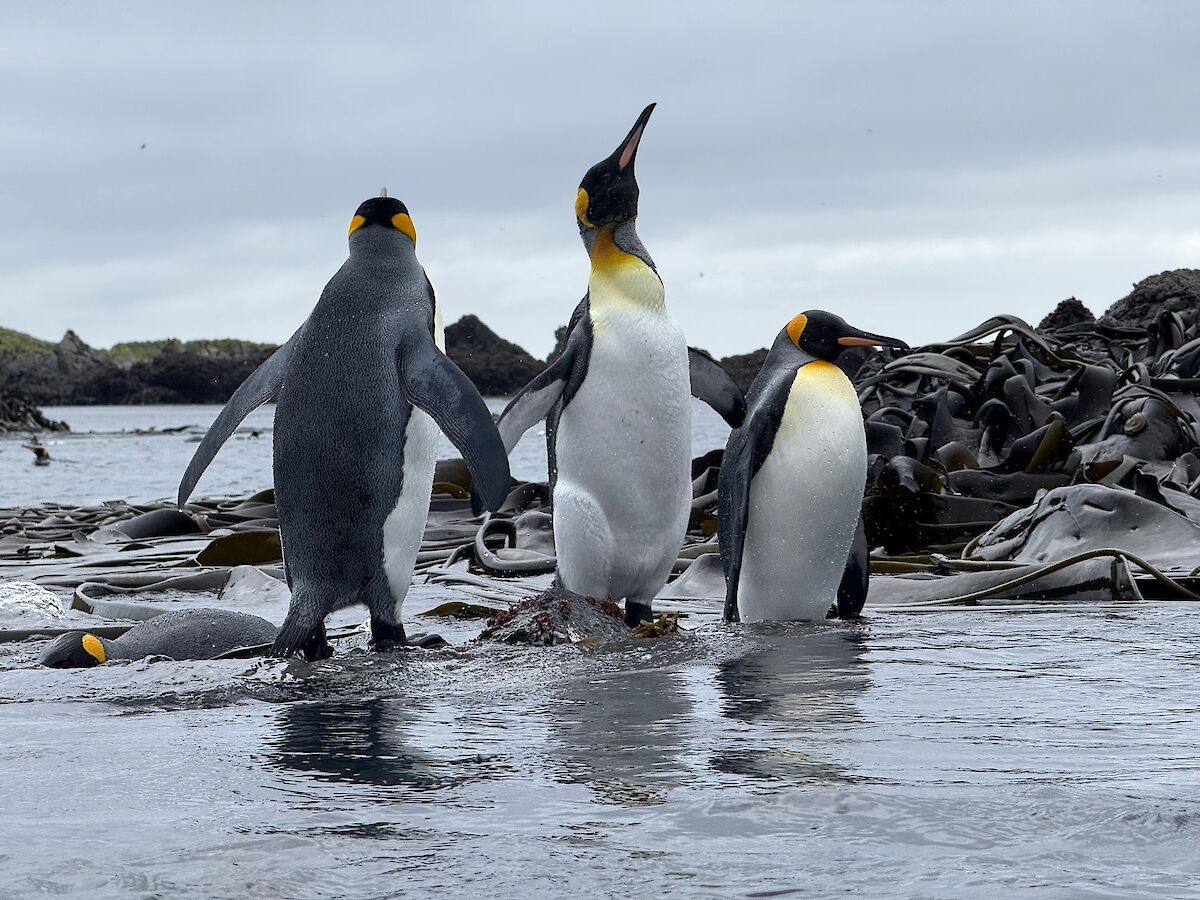
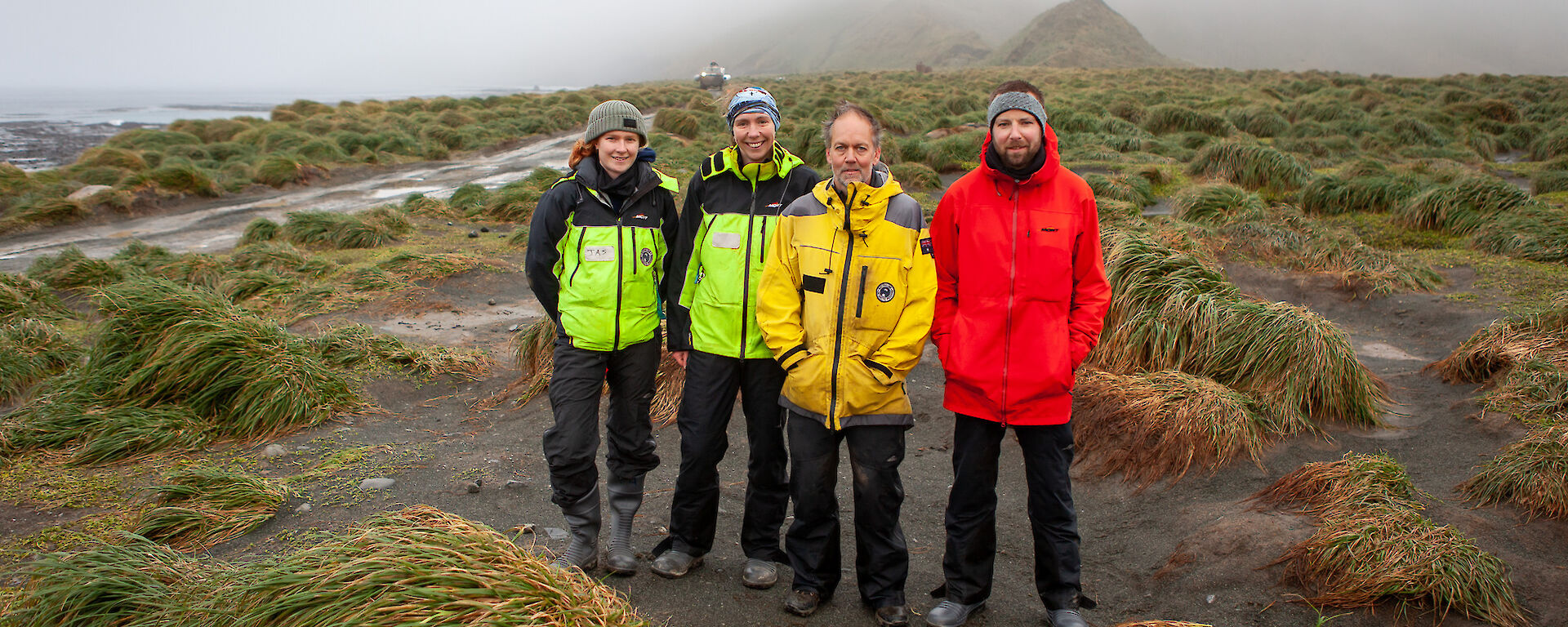
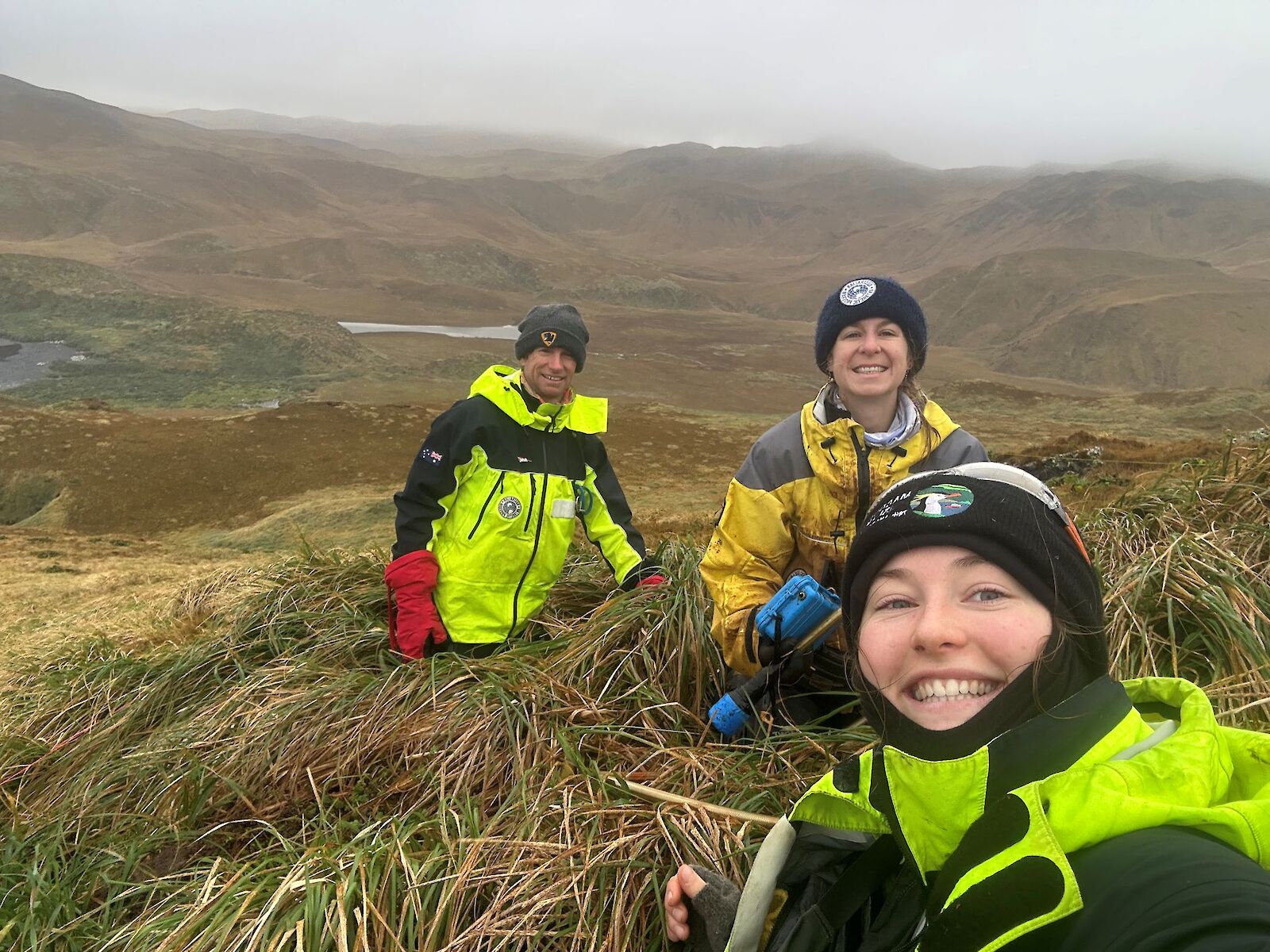
The Wildlife Biologist will contribute to the implementation of the Macquarie Island Wildlife Monitoring Program. This program provides critical data on priority vertebrate species to fulfil Australia's reporting obligations under national and international agreements, including the Agreement for the Conservation of Albatross and Petrels (ACAP). The program is designed to be responsive to changing population trends and to help identify and monitor emerging threats in a timely manner. This enables an assessment of the consequences and, where possible and appropriate, identify and develop strategies to directly mitigate, build resilience or otherwise manage impacts. With the increasing likelihood of H5 bird flu arriving on the island, updated population data is required for priority species to assess any impact of the disease to wildlife populations. This includes species listed under ACAP, threatened and endemic species subject to Recovery Plans, and those taxa likely to be impacted by H5 bird flu. This requires a combination of long-term baseline surveillance and targeted studies to identify and quantify potential risks. This work delivers on a key theme of the Australian Antarctic Division’s Decadal Plan: Comprehensive protection, conservation and management of the unique environments, associated ecosystems and biodiversity of Antarctica and the Southern Ocean. The Wildlife Biologist will spend 6-12 months based on Macquarie Island as part of a small multi-agency field team and live as part of the small island community as an expeditioner with the Australian Antarctic Program.
This position is designated as performing Safety Sensitive Aviation Activities (SSAA) under the organisation’s Aviation Drug and Alcohol Management Plan (DAMP) and the Civil Aviation Safety Regulations 1998 (CASR Part 99). As a condition of employment, employees performing SSAA are required to comply with all applicable drug and alcohol management requirements
What we are looking for
Essential
To apply for this role, you must have the skills and licences listed below:
Qualifications/licences
Provide copy with application:
- Qualification - Post-graduate Degree or Diploma in a relevant scientific or related discipline from an Australian tertiary institution, or a comparable overseas institution.
- Driver’s licence – Current, unrestricted “C” class (manual) Australian driver’s licence.
- Citizenship - In accordance with the PS Act 1999, APS employees are required to be Australian citizens. Persons who are not Australian citizens will generally only be considered where there are no suitable Australian applicants, with next considerations being Australian residents with work rights and New Zealand citizens.
Obtain prior to commencement:
- Valid Passport – The expiry date of the passport (and any relevant visa) must be at least 6 months beyond the planned end date of your intended stay in the Antarctic or sub-Antarctic.
- Provide First Aid (HLTAID011) must be valid for at least 18 months beyond the date of commencement.
- Provide Basic Emergency Life Support (HLTAID010) must be valid for at least 18 months beyond the date of commencement.
- Provide CPR (HLTAID009) must be valid for at least 6 months beyond the date of commencement.
Knowledge and experience
- A strong knowledge of ecological principles, wildlife management and experience undertaking scientific research.
- Experience carrying out population surveys of seabirds and seals using a range of techniques; including ground surveys, mark-recapture, drone, and other remote sensing technologies.
- Experience working effectively and harmoniously in small field teams or autonomously with limited supervision and have a strong work ethic and motivation for field work.
- Knowledge of and experience working under strict biosecurity measures, scientific and ethics permit conditions and Work Health & Safety requirements.
- Experience in recording and managing accurate field data in a thorough and organised manner, with good organisational and report writing skills, and demonstrated ability to follow
strict field protocols for data collection, maintain and curate field and sample data, and ensure strong attention to detail. - Demonstrated experience and ability to undertake routine data entry and processing tasks (Microsoft Excel and Access), data analysis (e.g. R) and mapping (e.g. ArcGIS/QGIS).
- A high level of fitness and a demonstrated ability to work in cold and remote environments, walking across rough terrain and steep slopes carrying a pack for long periods exposed to inclement weather (ideally with prior Antarctic or Sub-Antarctic experience) with a commitment to safety.
- Demonstrated ability to communicate with influence in oral and written form to achieve effective outcomes. Willingness and flexibility to contribute to other station and field activities as required.
Desirable
These are not essential to the role, however, to be suitable you will need to have at least some of these. We encourage you to apply even if you do not have all the desirable requirements.
Knowledge and experience
- Hold a current ‘A’ or ‘R’ class Australian Bird and Bat Banding Scheme (ABBBS) banding authority.
- Hold a current RePL drone licence and applicable experience.
Contact
For general enquiries, please email the Hays Expeditioner Recruitment Team at antarctica@hays.com.au.
For job specific (technical or trade related) enquiries, or to discuss the role in more detail, please contact Hays at antarctica@hays.com.au.